This article is published by THMINS and includes a link to our own product on Amazon. As an Amazon Associate, we earn from qualifying purchases.
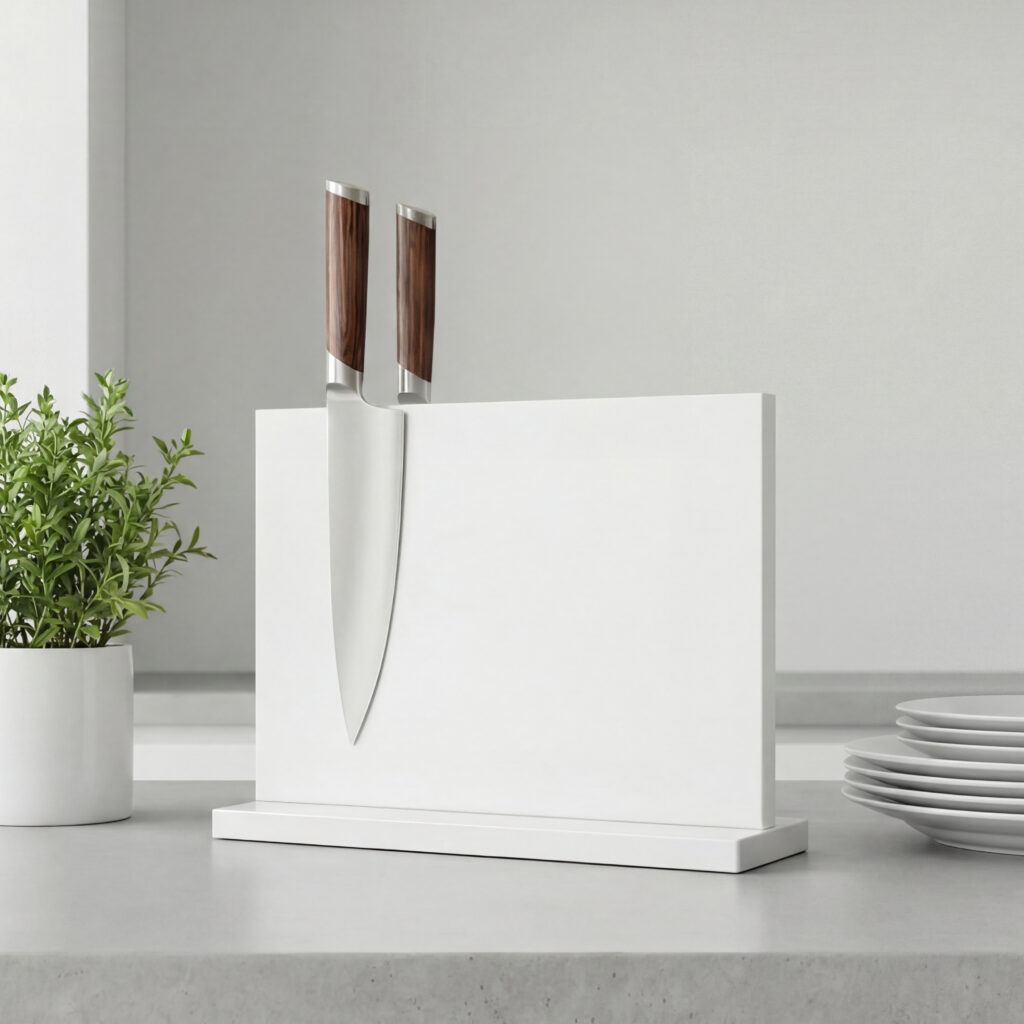
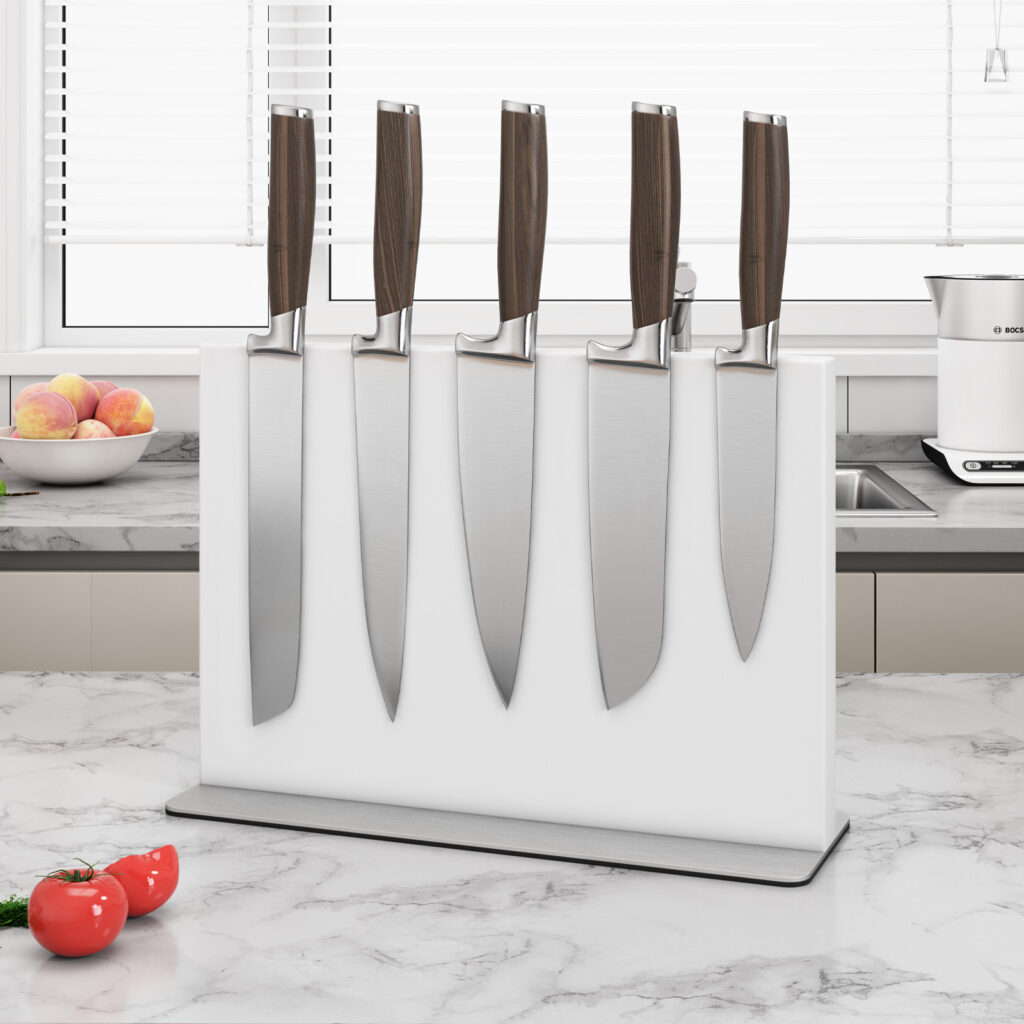
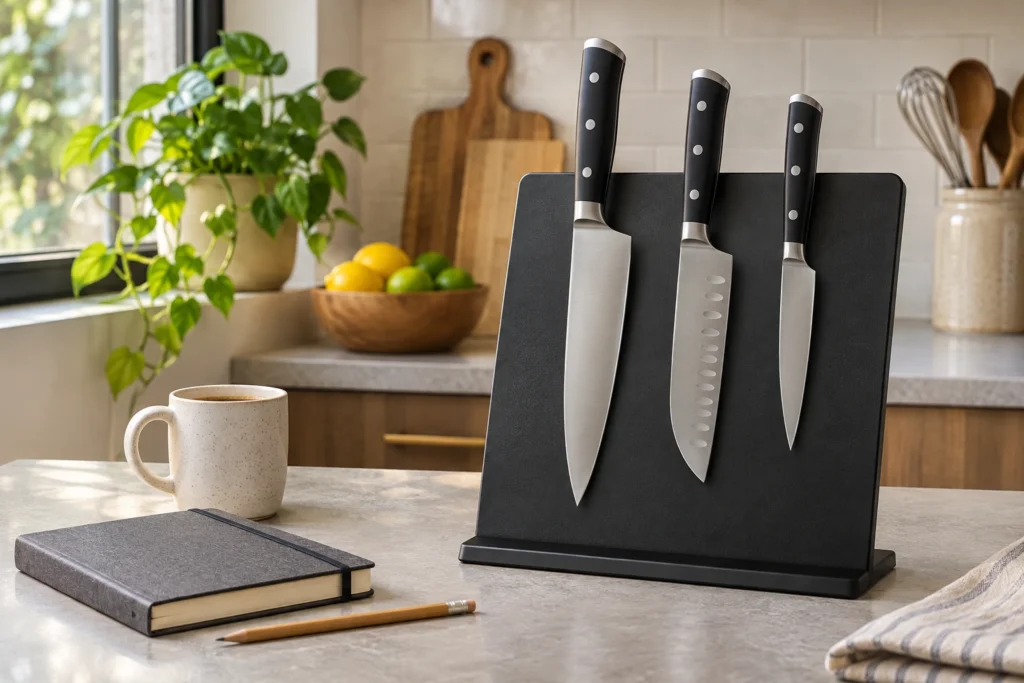
Compare the benefits you expect to use. AI-generated, unbranded concept scene; not a THMINS product photograph or performance comparison.
A more expensive magnetic knife block is worth considering when the extra cost buys something you will notice and use: a preferred finish, a suitable documented design, clearer support, or a feature that solves a real problem. A higher price by itself does not establish better holding performance, longer life, or easier daily use. Compare the actual benefits before treating the price as a shortcut for quality.
For a home cook replacing an adequate storage arrangement, this is a question about improvement. What will change enough to justify the purchase? For someone whose current arrangement does not suit their knives, the first priority is a workable replacement. Keeping those two situations separate helps prevent both overspending on extras and choosing a bargain that misses the reason for buying.
Buyer opinions show why value is personal
In a four-star imarku review labeled Vine, the reviewer liked the appearance and overall feel but questioned the price unless aesthetics were especially important to the buyer. The review concerned the 12.23-inch listed variant. It is one person’s assessment, and receiving a free product is relevant context when reading a price opinion. It does not establish what another shopper should pay. Value-related review.
A verified one-star HOSHANHO reviewer connected disappointment with the price paid, describing alignment concerns and the block tipping during knife removal. This is an individual account of a different product and variant, not a controlled comparison with the imarku block. Together, the comments illustrate two legitimate expectations: enjoying how a product looks and expecting its everyday function to work for the buyer. Price and expectation review.
Write down the job before comparing prices
Describe the change you want in one sentence. Perhaps you want to display three favorite knives, replace a slotted block that does not fit your collection, or simplify a crowded preparation area. That sentence becomes the standard against which you evaluate each option. A feature matters when it helps accomplish that job.
Then identify requirements that cannot be traded away. The intended knives must suit the holder, the setup must be appropriate for the kitchen, and the instructions must explain ordinary use. A discount cannot compensate for an unresolved compatibility question. Eliminate options that fail those requirements before comparing decorative details or bonus accessories.
This does not mean you need to buy the most expensive remaining model. If two options meet the same confirmed requirements, a lower-priced one may be the sensible choice. The purpose of the exercise is to make the reason visible, so you are choosing based on fit rather than assuming either the highest or lowest price represents value.
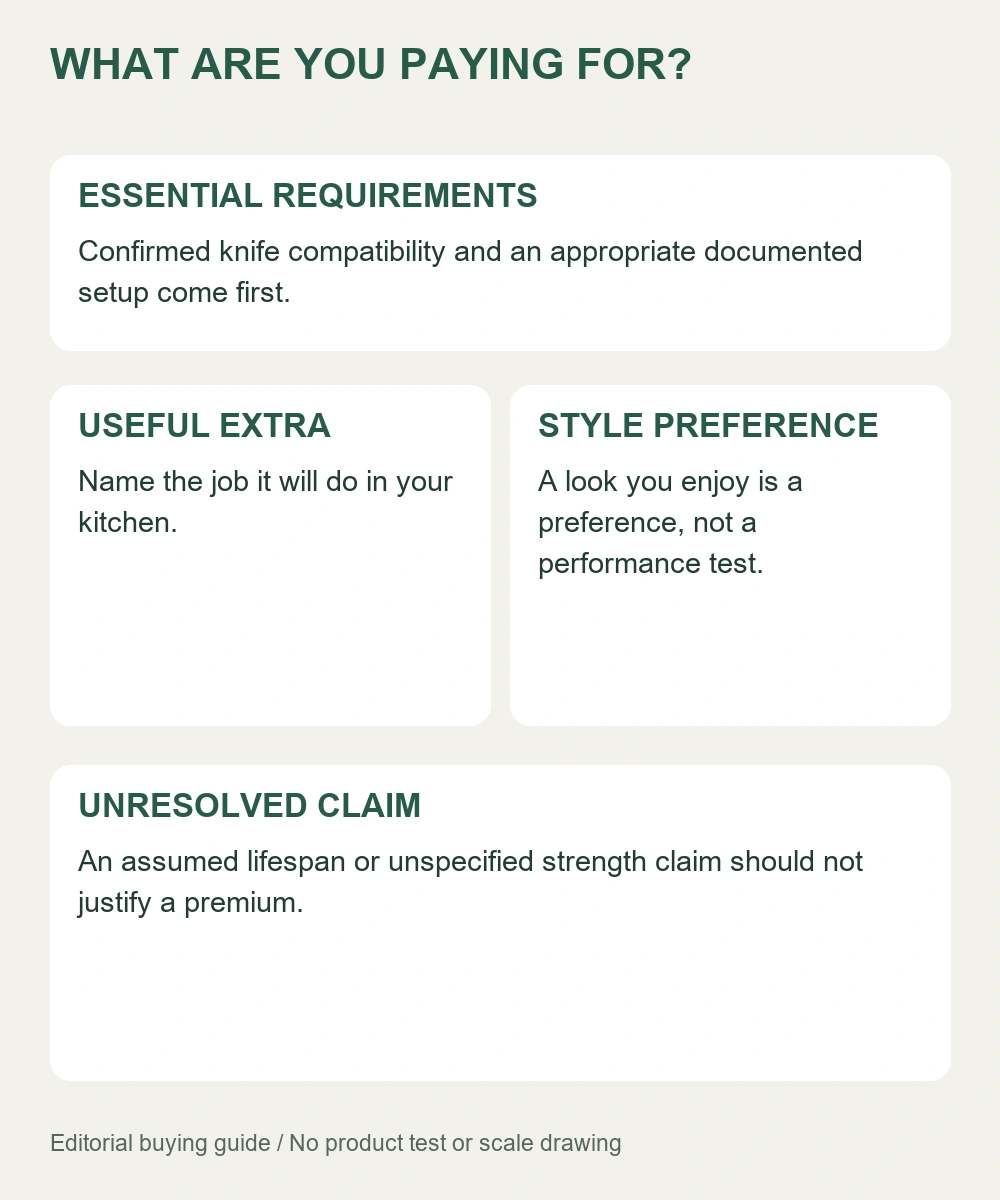
Confirm the essentials first, then decide which extras justify their cost; no prices or performance scores are implied.
Separate functional benefits from appearance preferences
A finish you enjoy seeing every day can be a valid reason to spend more. You do not need to disguise that preference as a performance claim. If the more expensive model coordinates with the kitchen and you prefer its detailing, describe the benefit honestly as appearance. Then decide how much that matters within your budget.
Conversely, do not assume that a darker stain, polished metal surface, or heavier-looking base proves a functional advantage. Photographs show appearance under particular lighting and styling. They cannot demonstrate a lifetime, quantify magnetic performance, or establish how the product behaves with your collection. Those questions need product-specific information.
A verified four-star imarku buyer liked the block overall while noting small finish defects. That report reminds shoppers that satisfaction and cosmetic reservations can coexist. It does not prove a general defect problem. If finish quality is the main reason you are considering a premium, inspect close-up photographs and clarify the seller’s approach to an item that arrives visibly different from the description. Finish-related comment.
Count only features you expect to use
Make a short list of the extras separating two candidates. These might include an integrated sharpener, a different storage arrangement, or an accessory compartment. Beside each extra, write the specific task it would perform in your kitchen. If you cannot name one, do not assign it much value simply because it makes the listing longer.
For example, an included sharpener may be irrelevant if you already use another suitable maintenance method. Extra advertised knife positions may be unnecessary if your daily collection is small. A different finish may matter more than both. This ranking is personal, but it becomes much easier to defend when each preference has a clear reason.
Also check what is actually included. Product photographs may show knives, utensils, or kitchen props that are not part of the offer. Compare the package contents for the selected variants rather than assigning value to everything visible in a lifestyle scene. If an accessory’s inclusion is unclear, ask before counting it toward the price difference.
Consider the effort attached to the purchase
Purchase value includes the work needed to get the product into normal use. Assembly, finding missing dimensions, obtaining care instructions, and resolving an unsuitable delivery all take attention. You do not need to convert that attention into an invented dollar amount. Simply recognize when a supposedly cheaper option requires more uncertainty than you want to manage.
Look for accessible instructions and a clear contact route. Check the current offer’s return arrangements, any stated warranty, and whether model-specific replacement parts are available. Record what is actually promised. Do not assume a recognizable brand or a higher price automatically means broader service terms, and do not present a seller’s promise as a guaranteed outcome.
An assembled product may save setup work for one buyer. Another buyer may be comfortable with a documented assembly and prefer the lower purchase price. Neither decision is wrong. The important distinction is between a task you knowingly accept and a problem you discover only after delivery.
Avoid invented lifetime savings
It is tempting to justify a premium by dividing the price across many years of imagined use. That can be a personal budgeting exercise, but it does not prove how long the holder will last. Unless there is reliable evidence for the exact model and conditions, do not treat a projected lifespan as a product fact.
Likewise, a few reports of scratches do not establish that a cheaper holder will need replacing soon. A cosmetic mark, a structural problem, and an unsuitable layout are different outcomes. Read the description of the issue rather than combining all complaints into a single durability score. Use specific concerns to ask better questions, not to manufacture a prediction.
The useful comparison is between what you know today: the current offer, the confirmed features, the documented instructions, and your actual needs. Leave unknown long-term performance marked as unknown. That produces a more honest decision than claiming one option will pay for itself through a lifespan no one has established.
Make a decision you can explain simply
Before checkout, finish this sentence: “I am choosing this model because it meets my requirements and the extra cost gives me this specific benefit.” If the only completion is “it seems more premium,” revisit the comparison. If the benefit is a finish you love, convenient setup, or a documented feature you will use, the reasoning is clearer.
When considering a THMINS magnetic knife block, compare the selected model’s current details at View the THMINS magnetic knife block on Amazon. This guide does not rank THMINS against competitors or claim that paying more guarantees performance. Choose the option whose confirmed benefits justify its cost for your kitchen, and leave unnecessary extras out of the decision.
Editorial evidence note: Review pages were read on November 17, 2026 (China time). Comments were selected by star rating and may concern different variants. They identify buying questions, not population-wide outcomes. Illustrations are concepts, not product photographs or test evidence.